Metal Crowns vs. Porcelain and Ceramic Crowns

White Crowns - Dental AppliancesPatients may require crowns for a variety of reasons. Used to protect a weak tooth, hold a broken tooth together, shield a tooth that has been worn down, hold a dental bridge, or to make cosmetic dental modifications, crown can be made from a variety of different materials. Some of the most popular materials are gold alloy, nickel alloy, or chromium alloy. Other options include ceramic and porcelain.

Benefits of Metal Crowns

Metal crowns are strong and durable and limit the wear on opposite teeth, (which can be a problem with other types of crowns). They hold up well to chewing and biting and rarely break. They are also significantly cheaper than ceramic and porcelain crowns. Their biggest drawback is their appearance.  Most people prefer white crowns for front teeth. Metal crowns are often used for back teeth, i.e. molars

Benefits of Ceramic and Porcelain Crowns

Ceramic and porcelain crowns can be fabricated to match the existing color of a patient’s teeth, making them aesthetically preferable to metal crowns. However, patients need to be prepared to pay more for ceramic and porcelain crowns.  Read More

Location

United States
40° 45' 21.7368" N, 94° 49' 25.266" W

What Is An Orthodontic Appliance?

If your orthodontist tells you that you or your child needs an orthodontic appliance, you may be confused at first. Appliance? A free toaster for being such a good customer?

No, not exactly.

An orthodontic appliance is simply a dental device that is fabricated specifically for treatment of a dental condition. There are many different types of orthodontic appliances, and they treat a number of issues, including crooked teeth, crowded teeth, jaw irregularities -- even snoring and sleep apnea.

Ever wear a retainer? You’ve already had first-hand experience with an orthodontic appliance. These appliances generally fall into three main categories:

  Read More

Location

United States
40° 45' 21.7368" N, 94° 49' 25.266" W

Consider “Resting” Your Crown and Loop

Crown and Loop with RestIf you plan on furnishing your patient with a crown and loop to provide for space maintenance, begin by considering how long the crown will be in place. On for a long period of time? The risk is mesial tipping or movement. To prevent this unwanted outcome, it is a good idea to add a rest along with the crown and loop. And you can increase the strength of the rest by bonding it to the tooth with a composite resin.

Impressions for the lab should be taken with the crown in place. Pour the impression when the crown is firmly on the tooth. You’ll also need to provide the lab with a prepared crown so the lab can accurately duplicate it.

For assistance with crown and loop selection and treatment contact SML. We’ll point you to a high quality, knowledgeable, reliable dental appliance lab near you. 

  Read More

Location

United States
40° 45' 21.7368" N, 94° 49' 25.266" W

Flippers Aren’t Right For Every Patient

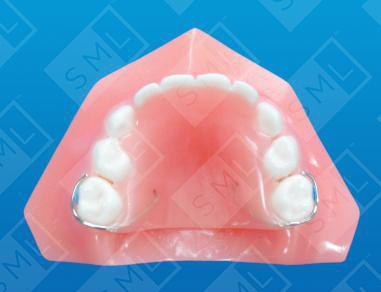
Upper Pedo PartialWe all know someone in our life who is a “fidgeter. ” This person has to peel the labels off of water bottles, tug every thread hanging from a hem, pick their nails when they’re bored, and so on. It should come as no surprise that these individuals don’t always make the best dental and orthodontic patients. They have trouble sitting still in the chair, and they tend to want to “fiddle” with their dental appliances.

A “flipper” -- like an upper pedo partial – could prove a less –than-ideal choice for a fidgeter. The ability to flip this device in and out of their mouth might be just too tempting.

  Read More

Location

United States
40° 45' 21.7368" N, 94° 49' 25.266" W

New Tools, Techniques & Treatments at CDA, August 20 - 22 2015

CDA ConferenceWhy CDA? Who has the time, the money, the inclination to travel to a meeting just to meet the same salesmen from the same companies that are already in touch with me through other, less demanding channels?
 

I hear this question more than a little from my colleagues and clients around this time each year. I have no problem answering it.

The CDA presents a truly unique educational experience—for both established practitioners and those new to the profession. It’s the kind you don’t or didn’t get at dental school or in the pursuance of CE credits. At CDA, attendees are regaled with the big picture that is modern dentistry. Every new and emerging innovation is represented in the expansive exhibit area. New tools, techniques and treatments – from digital to diagnostics to sleep and everything in between – is there... for your scrutiny, questions, and assessment.

The CDA is...

AUGUST 20 – 22    
New appliance innovations and products – not just pictures and sell copy.

Face to face, one-on-one contact with the individuals who created those appliances... and the therapies that optimize their application.

No hard sell. Friendly, valuable information on how to integrate key appliances properly into your practice.

Hands-on discussion, first-hand learning and fellowship.  Read More

Location

United States
40° 45' 21.7368" N, 94° 49' 25.266" W

Avoid Plastic Brackets for Smokers and Coffee Drinkers

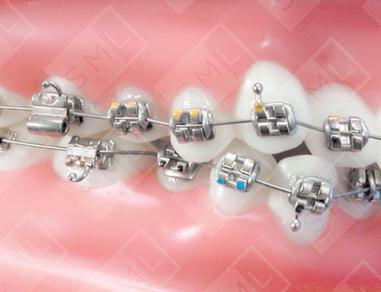
Brackets for BracesMany adults would prefer a straighter, more symmetrical smile, but they don’t want to walk around with metal braces on their teeth.

Fortunately for them, orthodontists are now able to offer their patients other options -- including ceramic brackets and plastic brackets -- which blend much better with the teeth. However, these options are not right for everyone.

Plastic brackets tend to stain easily and are therefore not a great option for smokers or coffee drinkers. Lots of coffee or smoking can quickly discolor plastic brackets, making them even more unattractive than metal brackets.

If your smoking or coffee-drinking patient does not want metal braces, consider ceramics. Ceramic brackets are known for their brittleness however and not for everyone either. Finally, if your patient doesn’t mind spending a little more, another option could be Invisalign.

At SML Global, our network of dental appliance labs can address your bracket needs -- Begg brackets, straight wire brackets, standard edgewise brackets, twin-wire brackets, molar hooks, and more. Contact us today.  

  Read More

Location

United States
40° 45' 21.7368" N, 94° 49' 25.266" W

Can Wearing a MORA Appliance Make You A Better Athlete?

Mora Appliance by Dr. GelbThe MORA appliance (Mandibular Orthopedic Repositioning Appliance) was originally designed by Dr. Gelb to help patients suffering from TMJ. However, a study published in the Journal of Physical Therapy Science offers an intriguing alternate benefit.

Made of clear acrylic bite pads and designed to cover the molars and bicuspids, The Mora repositions the lower jaw to achieve neuromuscular balance. In the aforementioned study, a team of researchers led by Sang-Yeol Lee tested ten male and ten female Korean adults by measuring their maximum isometric contraction in their upper limb and neck muscles -- with and without the MORA appliance. The researchers found significant increases in the adults’ ability to contract their upper muscles while wearing the splint.  Read More

Location

United States
40° 45' 21.7368" N, 94° 49' 25.266" W

It’s Time to Stop Your Bed Partner’s Annoying Snoring

SNOR.X Dental ApplianceWe are all nicer, happier people when we get a good night’s sleep. That can prove annoyingly difficult if your bed partner snores the night away in dream-filled bliss while you search for more cotton balls to stuff in your ears. You may be tempted to grab the nearest crowbar (like this woman), but please…restrain yourself.
Your bed partner isn’t ruining your nights by snoring on purpose! A simple, safe, and effective device can help your partner quiet down so that you can sleep like a baby.

It’s called, appropriately, Snor.X. Employing self generated suction....  Read More

Location

United States
40° 45' 21.7368" N, 94° 49' 25.266" W

Guiding Parents and Children Through Mixed Dentition

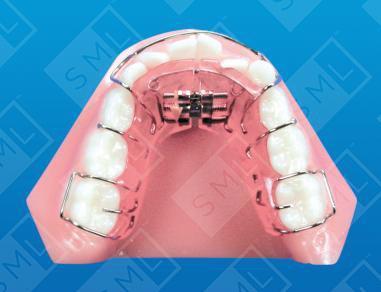
Around the age of six, most children begin a normal and interesting life process. They may notice that some of their teeth (usually the central and lateral incisors) begin to feel loose. Dentists refer to this growth period as the mixed dentition stage, because over the next six or seven years, their pediatric patients dentition will consist of a mix of baby (deciduous) teeth and permanent teeth -- as well as gaps where deciduous teeth have fallen out and where permanent teeth haven’t yet completed eruption.
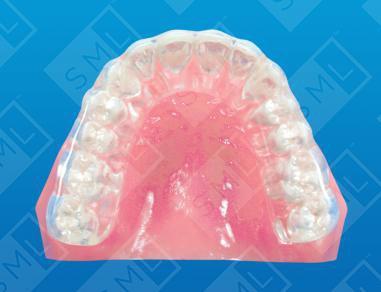
This experience can be both exciting and scary for your young patients. There is usually the thrilling prospect of a financial reward from the Tooth Fairy for lost teeth, but also fear and dread of the discomfort involved.

When your young patients are close to reaching the mixed dentition stage, it is important to encourage them to continue brushing well -- especially in the back as their molars emerge. Remind parents that baby teeth will fall out on their own with little pain or effort. It is not necessary to push or pull teeth out before they are ready. You may also need to let parents know that most dental corrections should not be started until all of the permanent teeth have grown in. 

  Read More

Location

United States
40° 45' 21.7368" N, 94° 49' 25.266" W

SPLINT THERAPY and the TALON® SPLINT

Splint therapy is often the means of treatment which, initiated early, can provide your patients with the best long term care, save them money…and make you some, as well. The dentist plays a key role at three procedural levels: screening, diagnosis, and treatment.

A properly designed splint can:

  • Break up doodling patterns and cover facets of wear
  • Protect teeth from abnormal forces
  • Protect the bony and soft tissue supportive structures against abnormal forces
  • Introduce an optimum occlusal position
  • Deprogram and musculature and reorganize neuromuscular reflex activity
  • Encourage normal muscle function
  • Alleviate any occlusal stresses and provide anterior guidance to posterior teeth
  • Establish a new vertical relationship
  • Protect teeth from diurnal and nocturnal bruxism
  • Provide a more stable or functional joint position
  • Alleviate occlusal stresses to the anterior teeth by controlling the vertical dimension

For more information on splints and other dental appliances contact SMLglobal.

  Read More

Location

United States
40° 45' 21.7368" N, 94° 49' 25.266" W

Pages