Crooked Teeth are Not Just for Kids

Adult BracesWhether you’re an adult or a child, steady pressure applied to your teeth can slowly move and shift them. That’s how braces and retainers realign teeth and that’s how bad habits can shift them into mis-alignment. Adults with lifelong tongue thrusting habits or those who like to compulsively chew on pencils (or the like) may notice their teeth becoming crooked over time.

It’s usually a slow process and sometimes hard to notice. To realign your teeth, the first step is to stop whatever habit is causing the shift. Since many habits are unconscious, you may need to pay close attention to possible causes. The reality is, you’ll likely need the assistance of an orthodontist to realign your teeth with the help of a a retainer, braces, or Invisalign braces - somewhat of a hybrid between a retainer and traditional braces. Make an appointment with your dentist today to discuss your options.

  Read More

Location

United States
40° 45' 21.7368" N, 94° 49' 25.266" W

My Braces Are Off, Now What?

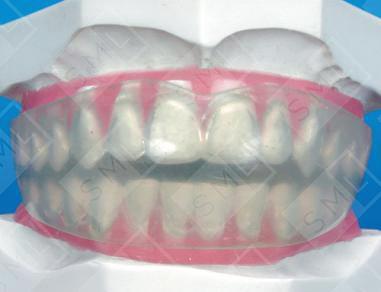
Positioner after bracesYou’ve been waiting months, maybe years for that sweet, sweet day when your braces come off. Finally, you can eat popcorn again and floss your teeth inPositioner after Braces under 20 minutes. Oh, and you’ll enjoy that pretty, straight smile in the mirror. As nice as it is to be free of clunky, uncomfortable braces, your journey toward a perfectly straight smile isn’t finished quite yet.

Most likely, your orthodontist will transition you to a retainer or a device called a positioner. Think of the positioner as the closer in the final innings of a baseball game. The job of this custom-made device is to bring home the win -- to make the final small adjustments to complete the straightening process. That accomplished, the positioner then helps keep your teeth in place so they don’t move back out of alignment again.

Depending on how your teeth are coming along, your orthodontist may tell you to wear your positioner throughout the day -- only taking it out to eat -- or to only wear it to bed. Follow your orthodontist’s instructions carefully, so that all those years in braces won’t be in vain! 

  Read More

Location

United States
40° 45' 21.7368" N, 94° 49' 25.266" W

Getting Your Child Ready for Football Season

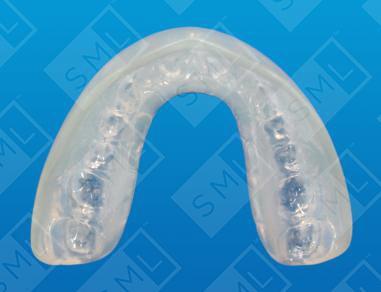
Mouth guards for KidsAre you ready for some football? Chances are, if you have children with football fever, you’re not.  Worried about injuries or concussion? While you can’t always prevent the bumps and bruises that accompany a commitment to sport, there are ways to limit serious injury by purchasing high quality equipment for your child.

If you’re willing to pay out big money for the latest and greatest pads and helmets, don’t forget to invest in a high-quality mouth guard. Emphasis on “high-quality.” You can buy a generic mouth guard for children at any sports store, but these won’t be fitted to the unique contour of your child’s mouth or the shape of their teeth.

  Read More

Location

United States
40° 45' 21.7368" N, 94° 49' 25.266" W

Why You Should Really Listen to Your Orthodontist’s Advice About Taking Care of Your Braces

Orthodontics Appliance careWhen your orthodontist first puts braces onto your teeth, he or she will give you a long lecture on how to take care of them. You may even get a small pamphlet to take home. The orthodontist will show you how to carefully brush your teeth and floss with the braces…and caution you against eating “hard” foods -- like popcorn, hard candy and even carrots!

It may seem like your orthodontist is being over-protective, but your orthodontic brackets aren’t invincible. If you crunch down on a popcorn kernel, you could break off an orthodontic bracket. Orthodontic brackets all work together, putting combined pressure on each tooth to shift them into alignment. When a bracket breaks off, it weakens the entire structure, which slows down your tooth-straightening progress. That means you’ll have to spend a longer time in braces!

Heed your orthodontists’ advice. You’ll have straighter teeth before you know it. 

  Read More

Location

United States
40° 45' 21.7368" N, 94° 49' 25.266" W

Invisalign vs. Ceramic Brackets

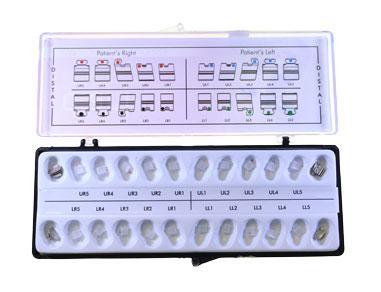
Ceramic BracketsIf you’ve always wanted a straighter, more beautiful smile, your orthodontist will give you several different options to make it happen. You can always go with the traditional metal braces (the most cost-effective option), but most adult patients prefer a more subtle look. That brings you to either ceramic brackets or Invisalign retainer trays.

Benefits of Ceramic Brackets

Ceramic brackets can be made to match the color of your teeth. They won’t be completely invisible, but they will be far less noticeable than metal braces. Though ceramic brackets are more expensive than metal braces, they are more cost effective than Invisalign -- and because Invisalign isn’t recommended for more advanced cases, you might not even have it as an option.

  Read More

Location

United States
40° 45' 21.7368" N, 94° 49' 25.266" W

Keep Your White Smile with White Crowns

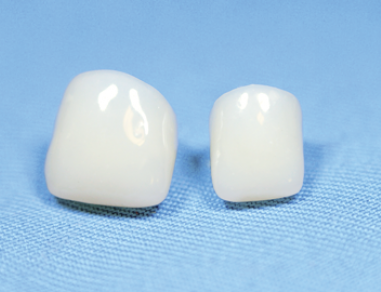
White CrownsThe need for crowns is a common occurrence, especially for middle-aged and older adults. Over time, your teeth will naturally begin to wear down, no matter how well you take care of them. They may also become cracked or decayed. All of these unpleasant tooth-maladies can be corrected with a well-placed white crown or crowns.

If your dentist recommends crowns to replace damaged or worn-down teeth, he or she will likely give you a choice. The lowest cost option is a metal crown. The drawback? It’s easily visible, especially if needed in the front.

Most dental patients prefer white crowns  (or even color-matched versions). For this reason, the more popular types of crowns are porcelain fused metal crowns or all-porcelain crowns. While they are the most aesthetically pleasing option, they can also be a little “pricey.”

Which is best for you? Ask your dentist. He’ll set you up with the type of metal or white crown that fits your preference and your budget. 

  Read More

Location

United States
40° 45' 21.7368" N, 94° 49' 25.266" W

What Types of Orthodontic Appliances Does Your Orthodontist Offer?

Orthodontic AppliancesHave you ever wondered how your orthodontist is able to create special devices that fit your mouth comfortably and precisely? Have you imagined a little workshop behind a curtain in your orthodontist’s office where elves work to hammer out customized retainers, space maintainers, arch developers, and other types of devices?

The truth is that your orthodontist is able to offer so many different types of orthodontic devices because he or she probably works with a third party oral appliance laboratory like those in the SML Global network.

SML labs receive your x-rays and models from your orthodontist.   Read More

Location

United States
40° 45' 21.7368" N, 94° 49' 25.266" W

Tooth Trauma From a Fall

You may wonder what causes adults to require bridges or even full dentures. The truth is that many adults will eventually experience gum disease or tooth decay, resulting in the loss of teeth.  Another less common reason? Trauma from a fall.

Many adults today remain active throughout their lives. They play football and soccer, ski and snowboard down slopes, surf the waves, and scramble over obstacles on foot or the back of a motorcycle. MMA fighting anyone?

It only takes one bad fall to crack teeth or even knock them out entirely. A cracked or chipped tooth can usually be fixed with a veneer. If you lose several teeth as the result of a fall, you will likely need a bridge. Consult your family dentist or a cosmetic dentistry specialist to discuss your tooth replacement options. 

  Read More

Location

United States
40° 45' 21.7368" N, 94° 49' 25.266" W

Understanding Temporomandibular Joint Pain

TMJ Joint PainTemporomandibular joint disorders (TMD or TMJ) are very common, and many Americans experience some TMD pain at some point in their lives. It can be as innocuous as a mildly distracting throb in the jaw. It can also be as debilitating as a severe migraine or the inability to comfortably chew food.

How can one small joint cause all this trouble? While relatively small, the temporomandibular joint connects your jaw to the rest of your skull. It works like a hinge, allowing you to open and close your mouth…and when it doesn’t work properly, it can be devastating.

Dentists aren’t exactly sure why Temporomandibular Joint pain is so common, but they put the blame on everything from crooked teeth to tight neck muscles to the habit of teeth grinding.

  Read More

Location

United States
40° 45' 21.7368" N, 94° 49' 25.266" W

You Have More Types of Braces to Choose From Than Ever Before

Types of BracesIf you are an adult over the age of 30, then you’ll remember that when you were growing up, there were only two options if your teeth were crooked. Either your orthodontist strapped you into big, gawky metal braces or your teeth stayed crooked forever.

Now, when you bring your children to the orthodontist, you may be surprised to discover that you have multiple types of braces to choose from. For starters, the metal braces are still around, but they are smaller now, and kids can pick the colors of their bands. Metal braces are the simplest and cheapest way to go.

If you don’t mind paying a little more, your child can choose ceramic braces with clear or tooth-colored brackets. These braces blend in much better with the teeth, though they can become stained if your children don’t take good care of them.

A final option is Invisalign, a series of 18 to 30 custom-made plastic aligners that nudge the teeth into place.  Read More

Location

United States
40° 45' 21.7368" N, 94° 49' 25.266" W

Pages